Communal Area Cleaning in SE13 for Blocks, Estates and Shared Buildings
If you manage or live in a shared building in SE13, keeping entrances, stairwells, hallways and other common spaces clean can make a big difference to how the property feels day to day. Communal area Cleaning in SE13 is not just about making a place look tidy for visitors; it is about maintaining a safer, more pleasant environment for residents, tenants, leaseholders and staff who use the building every day. In a busy part of south-east London like SE13, where residential blocks, converted houses, mixed-use buildings and managed estates all sit side by side, a reliable local cleaning service helps shared spaces stay presentable and cared for throughout the year.
Whether the property is near Lewisham town centre, around Hither Green, close to Ladywell or on one of the quieter residential streets off Lee High Road, communal areas can pick up dirt quickly. Foot traffic, prams, buggies, muddy shoes, bins, parcels and everyday wear all add up. A regular cleaning schedule tailored to the building can help reduce complaints, support residents’ comfort and present a more organised image for visitors, contractors and prospective tenants.
For local customers, the value of a dependable service is often in the details: consistent attendance, attention to high-touch surfaces, sensible cleaning plans for the property, and a team that understands how shared living spaces work. From small blocks to larger estates, communal cleaning services in SE13 can be arranged to fit the layout and use of the building, so residents are not left with corridors that feel neglected or entrance lobbies that lose their appeal.

Why communal cleaning matters in SE13
Shared spaces are used by everyone, which means they show signs of use faster than private homes. In apartment blocks and mansion-style conversions around SE13, the entrance hall may see constant traffic from families, delivery drivers and contractors. Staircases collect dust and debris. Lift areas, handrails and door plates become touched repeatedly. Even well-managed buildings can quickly look tired if there is no structured cleaning plan in place. That is why communal area cleaning has become such an important service for local properties.
In practical terms, clean communal areas help residents feel more settled in their homes. A tidy hallway and fresh-smelling lobby create a better first impression when someone walks through the door. Clean floors reduce the spread of dirt into flats. Regularly maintained bin stores and shared entrances can also help with hygiene and overall comfort. For landlords, agents, block managers and residents’ associations, this is not a cosmetic extra; it is part of maintaining the quality of the building.
SE13 is a varied area, and that variety matters when planning a cleaning service. A block near a busy road may need more frequent floor care because of heavier dust and grit. A converted period property may need more careful treatment for older surfaces and decorative features. A modern apartment block may have shared glazing, lift interiors and polished flooring that require the right products and methods. A good local team understands that communal area cleaning SE13 should be shaped around the property, not handled with a one-size-fits-all approach.
What is included in communal area cleaning?
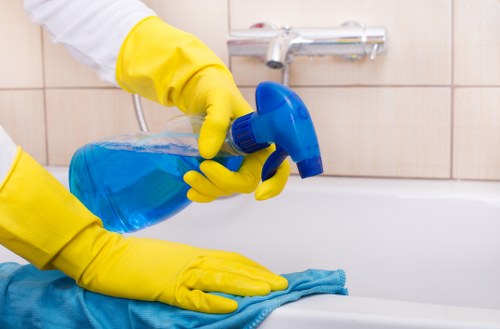
Every building is different, but a typical communal area cleaning service focuses on the shared spaces people use most often. These areas can include entryways, lobbies, halls, landings, stairs, lifts, bin areas and shared door surfaces. A proper service usually covers both visible cleaning and the practical tasks that help the property stay hygienic and orderly between visits.
Common tasks may include:
- Cleaning entrance doors, handles and push plates
- Dusting skirting boards, ledges, mail areas and fixtures
- Vacuuming carpets and runners in hallways and stairs
- Sweeping and mopping hard floors
- Wiping lift interiors, buttons and mirrors where present
- Cleaning internal glass, low-level marks and accessible surfaces
- Removing cobwebs from corners, ceilings and light fittings
- Emptying shared bins or tidying bin store surroundings where agreed
- Spot-cleaning marks on walls, doors and handrails
Some buildings also need extra attention in utility spaces, cycle stores, entrance porches or shared corridors leading to individual flats. If the property has a mix of residents, such as families, older residents or short-let tenants, the service can be adjusted to keep high-traffic areas hygienic and easy to maintain. The aim is to support the building’s everyday use while respecting materials, access arrangements and resident schedules.

Local cleaning support for SE13 properties
One of the biggest advantages of using a local service is flexibility. SE13 includes a mix of property styles and usage patterns, from purpose-built blocks to older converted homes and modern developments. Each type of building has its own cleaning needs. In a staircase with worn carpet, vacuuming and edge detailing may matter most. In a new-build development, polished surfaces, glass and shared entry systems may require a gentler but more frequent routine. In a period conversion, it may be essential to protect original features while still keeping dust, dirt and footprints under control.
Local knowledge also helps with access and scheduling. Some buildings have limited parking, controlled entry systems, narrow staircases or restricted loading areas. A team that is used to working in SE13 understands that cleaners may need to plan around residents, school runs, commuter traffic, bin collection days or contractor access. That practical awareness saves time and helps the service run more smoothly.
For block managers and landlords, the benefit is straightforward: fewer problems, fewer complaints and a more dependable standard across the shared spaces. For residents, it means cleaner floors, tidier entrances and common areas that feel looked after rather than overlooked. Whether the property sits near Lewisham station, on the edge of Ladywell Fields or closer to Hither Green, having a consistent local team can make shared living much easier.
Who benefits from communal area cleaning in SE13?
This service is useful for a wide range of local customers. It is not only for large apartment blocks; it can also be suitable for smaller buildings where residents want a consistent and professional standard of care.
Typical customers include:
- Residential block managers
- Leaseholders and residents’ associations
- Letting agents overseeing shared flats
- Private landlords with multi-occupancy properties
- Housing providers and estate managers
- Commercial premises with shared reception or access areas
- Mixed-use buildings with shops below and flats above
In some properties, residents organise cleaning collectively because they want a simple, dependable routine. In others, a managing agent or landlord arranges service on behalf of all occupiers. Either way, the need is the same: shared spaces should be kept in a condition that supports safe access, hygiene and a good living experience. Professional communal area cleaning in SE13 can help build that consistency without putting the burden on residents to handle it themselves.
There is also a trust element. People want to know that cleaners will arrive regularly, work respectfully in occupied buildings and handle shared spaces with care. A good local company should be able to discuss schedules, access requirements and the most suitable tasks for the building without overcomplicating the process. Clear communication and a practical approach matter just as much as cleaning itself.
What makes a local SE13 team useful?
Local teams can respond better to the realities of the area. In SE13, traffic patterns, parking restrictions and busy residential streets can affect how cleaning visits are carried out. A cleaner who already works in nearby streets is more likely to understand access issues and the needs of local building managers. That can be especially helpful where there are timed entry arrangements, limited visitor parking or shared gates that must be used carefully.
It also helps when a provider is familiar with common local building layouts. Many SE13 properties have stairwells, landings, intercom systems, shared porches, basement entrances or rear bin storage areas that need regular care. With a local service, those spaces can be included in the plan from the outset rather than being treated as an afterthought.
How the service usually works
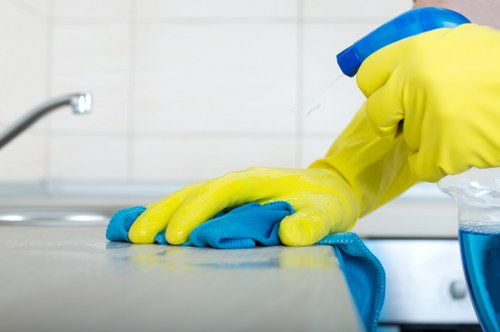
For most customers, the process begins with a discussion about the building and the areas that need attention. That may involve looking at how many floors there are, how often residents use the shared areas, whether the flooring is carpeted or hard-surfaced, and whether there are special features such as lifts, glass doors or bin stores. Once the cleaning requirements are clear, a routine can be arranged to match the property’s needs.
In many cases, the schedule will be weekly, fortnightly or at another agreed frequency depending on usage. Larger blocks or high-traffic buildings may need more frequent visits, while smaller shared houses or converted flats may only need lighter maintenance at set intervals. The aim is to match the service to the condition and usage of the communal areas, not simply clean on autopilot.
A practical process often includes:
- Assessing the shared areas and access points
- Agreeing which tasks are included
- Setting a visit frequency that suits the building
- Carrying out the work during agreed times
- Reviewing the service if the building’s needs change
Some properties may also benefit from occasional deep cleaning, for example after a period of heavy works, after tenant changeovers or when seasonal grime has built up. If the building has specific concerns, such as muddy access routes in winter or extra marks around entrance doors, these can often be built into the cleaning plan. The result is a service that feels organised, reliable and appropriate for the property rather than generic.

What is included in a strong cleaning plan?
A good plan is more than a checklist. It should reflect the building’s traffic, layout, materials and resident expectations. For example, a hallway with carpets may need focused vacuuming along edges and corners, while a tiled lobby may need mopping and careful attention to entrances where dirt is tracked in. Shared touchpoints are especially important because they are used so often.
Useful plan features can include:
- Entry foyer and reception area care
- Landing and stair cleaning
- Door frames, handles and switch plates
- Internal glass and low-level glazing
- Lift cabins and surrounding areas
- Bin store cleaning or tidying where agreed
- Periodic detail work for corners, vents and ledges
Not every building needs every task on every visit. The best plans are realistic and targeted. This keeps the standard high without wasting time or budget on tasks that are not needed as often. For residential buildings in SE13, that balance can be especially important because occupier habits, foot traffic and access arrangements vary so much from one property to another.
Why choose a professional communal cleaning service?
Some buildings try to manage shared cleaning informally for a while, but it can become difficult to keep a consistent standard. One resident may clean one week, another may forget the next, and soon the building starts to feel uneven. A professional service removes that uncertainty. It creates a routine, keeps expectations clear and helps protect the shared appearance of the property.
Professional communal area cleaning in SE13 can also be beneficial because it brings the right equipment, products and approach for shared spaces. Not all marks, floor types or surfaces should be treated the same way. A good cleaner will be mindful of different materials and avoid harsh methods where they are not suitable. That is important in mixed buildings where modern finishes sit alongside older features.
Just as importantly, a dependable service saves time for residents and managers. Instead of chasing different people or trying to resolve recurring complaints, the building can rely on a planned service arrangement. That is especially useful for people managing multiple properties or busy households where there is little time to spare.
Benefits customers often notice
- Cleaner, fresher shared entrances
- Better presentation for visitors and viewings
- Less dirt being carried into individual homes
- More comfortable and orderly communal spaces
- Reduced stress for residents and managing agents
- A more consistent standard across the building
Pricing factors to consider
While exact pricing depends on the property and service frequency, there are several factors that usually influence the quote. Understanding these can help customers plan more confidently and avoid surprises later. The most common factors include the size of the building, the number of floors, the condition of the shared spaces, how often cleaning is needed and whether any additional areas are included.
Typical pricing factors include:
- Number of communal areas to be cleaned
- Frequency of visits
- Flooring type and level of detailing required
- Presence of lifts, glass panels or shared fixtures
- Bin areas, bike stores or external shared spaces
- Access complexity and timing requirements
- Any periodic deep-cleaning tasks requested
A local provider should be able to talk through these points clearly and help you choose a sensible plan. If the building has become heavily soiled, it may make sense to start with a more intensive initial clean and then move onto a regular maintenance schedule. That can be a practical way to restore standards and keep them there.
How to prepare for a communal cleaning visit
Preparation does not need to be complicated, but a few simple steps can make each visit smoother and more effective. If residents, managing agents or building supervisors know what to expect, cleaners can work more efficiently and avoid avoidable delays. In occupied buildings, communication is often the key.
Helpful preparation checklist:
- Make sure access arrangements are available and up to date
- Remove large obstructions from corridors where possible
- Let residents know the day and time of the service if needed
- Report any damaged fixtures, broken lights or blocked areas
- Move personal belongings away from shared cleaning zones
- Flag any delicate surfaces or areas requiring extra care
Preparation also helps when the property has unique challenges, such as limited storage, narrow stairwells or periodic contractor access. If the team knows about these issues in advance, it is easier to clean safely and avoid disruption to residents. In busy SE13 buildings, that kind of practical organisation makes a real difference.
Areas covered in and around SE13
Local communal area cleaning is often requested across the wider SE13 area, including residential streets, apartment developments and mixed-use buildings around Lewisham, Hither Green and Ladywell. It can also be useful for properties close to schools, transport links and busier routes where dust and foot traffic are part of everyday life. Whether your building is near the centre of the area or in a quieter side street, the cleaning requirements are usually shaped by how the property is used.
Common local property types include:
- Purpose-built apartment blocks
- Converted Victorian and Edwardian houses
- Small to medium residential estates
- Mixed commercial and residential buildings
- Shared houses with communal hallways and stairs
Because the area has such a mix of building styles, the best approach is one that is flexible and responsive. A cleaning routine that works well for a modern block in SE13 may need adapting for a period conversion or a building with limited access. That is why local experience and sensible planning matter so much for long-term results.
Frequently asked questions
How often should communal areas be cleaned?
It depends on the size of the building, the number of residents and how quickly the shared spaces become dirty. Some properties need weekly cleaning, while busier buildings may need more frequent visits. A tailored schedule is usually best.
Can the service include stairwells and landings?
Yes. Stairwells, landings and corridors are usually a core part of communal area cleaning, especially in multi-storey residential buildings. These spaces often need regular vacuuming, sweeping, mopping and dust removal.
What if the building has a lift?
If there is a lift, it can often be included in the cleaning plan. This may involve cleaning buttons, interior panels, mirrors and surrounding touchpoints, depending on the materials and access arrangements.
Is this suitable for small blocks or just large estates?
It is suitable for both. Smaller blocks, converted houses and shared properties often benefit just as much as larger developments, especially when residents want a consistent standard without having to manage the cleaning themselves.
Do cleaners need special access arrangements?
Usually, yes. Shared entry systems, keys, fobs or timed access may be needed depending on the building. A local team should be comfortable working with these arrangements and coordinating around the property’s routine.
Can the plan be adjusted if the building changes?
Yes. If occupancy increases, the flooring changes, or residents raise different priorities, the cleaning plan can often be updated. Flexibility is especially useful in shared buildings where needs can change over time.
Why local customers in SE13 keep choosing structured communal cleaning
For many people, the decision comes down to convenience, consistency and peace of mind. Shared buildings can quickly become frustrating if no one is clearly responsible for the communal spaces. With a structured cleaning arrangement, residents know what is being done, when it is being done and what standard to expect. That helps avoid confusion and supports a more settled living environment.
It also helps when the service is grounded in the realities of the area. SE13 has active streets, varied housing and a strong mix of private and rented homes. A local team that understands those conditions can provide cleaning that feels practical rather than overly formal, and responsive rather than rigid. That is particularly important in occupied buildings where people need access to clean common areas without unnecessary disruption.
Whether you are responsible for a block of flats, managing a converted property or looking after a mixed-use building, a reliable communal cleaning service can support the building’s overall condition and make daily life easier for everyone who uses it. If you are ready to improve the shared spaces in your property, request a free quote or book your service now and take the next step toward a cleaner, more welcoming building.
Practical final note for SE13 customers
Choosing the right communal cleaning arrangement is about more than appearance. It is about keeping shared spaces clean, safe and comfortable for the people who live and work there every day. A well-planned service can support the long-term care of the building, reduce everyday frustrations and create a better impression from the moment someone walks through the door.
Need regular support for a shared building in SE13?
Contact us today to discuss your property, the areas you want cleaned and the frequency that best suits your residents or tenants. A sensible, local approach to communal area cleaning can make all the difference to how your building feels and functions.