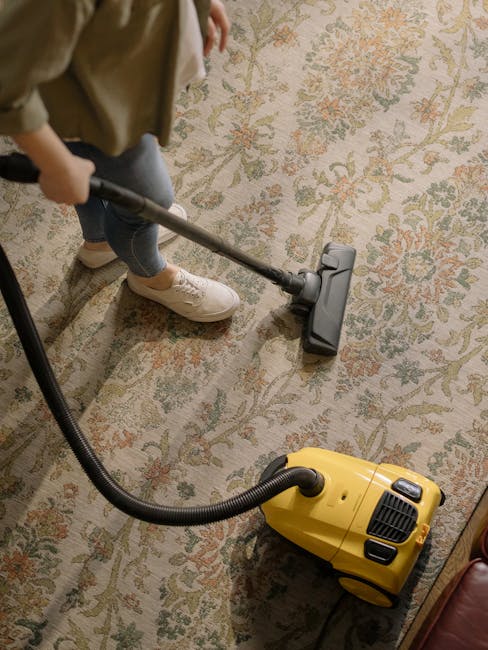
Lewisham High Street Carpet Cleaning Guide for Shop Owners
If you run a shop on Lewisham High Street, you already know the floor tells a story before you say a word. Mud from a rainy morning, crumbs near the counter, salt in winter, coffee drips, tracked-in grit from footfall at the door, all of it settles into the carpet quietly. This Lewisham High Street carpet cleaning guide for shop owners is here to help you keep that story a good one: clean, welcoming, and properly maintained without wasting time or money.
Whether you manage a boutique, salon, convenience store, small cafe, or a busy retail unit, carpet care affects appearance, odour, hygiene, and even staff morale. It also has a habit of becoming urgent at the worst possible moment. So let's make it simpler. Below you'll find a practical guide to what works, what to avoid, when to book professional help, and how to choose the right cleaning approach for a commercial setting in a busy London high street environment.
Expert summary: shop carpets need more than occasional vacuuming. A sensible cleaning plan combines daily maintenance, quick stain treatment, periodic deep cleaning, and the right method for the fabric and footfall level. Done well, it reduces wear, improves presentation, and helps your business feel cared for from the threshold inwards.
- Best for: retail shops, salons, cafes, service counters, and mixed-use premises
- Main aim: maintain a clean look, control odours, protect fibres, and reduce business disruption
- Most common mistake: waiting until visible staining is severe or patchy wear has already set in
Why Lewisham High Street carpet cleaning guide for shop owners Matters
High street premises take a beating. Customers bring in rainwater, dust, chewing gum, soil, and the occasional mystery spill. Staff then work around it all day, which means a carpet can go from "fine" to "tired" surprisingly fast. On a busy stretch like Lewisham High Street, that matters because your floor is part of your front-of-house branding whether you planned it that way or not.
A carpet that looks flat, stained, or a bit sour can make a clean shop feel less trustworthy. That sounds harsh, but customers notice. They may not say it out loud. They just decide whether the place feels cared for. And in retail, people often decide with their eyes and nose before they decide with their wallet.
Commercial carpets also wear differently from domestic ones. Footfall is concentrated, entry points get dirtier than the back area, and repeat traffic creates traffic lanes. If you let those lanes build up, the pile compresses and soiling becomes harder to lift. At that point, a quick tidy won't cut it. You need a proper clean, and possibly a regular cleaning plan too.
There is also the practical side. Cleaner carpets are easier to inspect, easier to maintain, and less likely to hold on to odours from food, pets, cosmetics, or damp weather. For shops that depend on a pleasant customer experience, that is not a small thing. It is basic presentation, really.
Practical takeaway: the earlier you treat carpet care as routine maintenance rather than emergency rescue, the better the results and the lower the long-term wear.
How Lewisham High Street carpet cleaning guide for shop owners Works
For most shops, carpet cleaning is a layered process rather than a single task. First comes inspection, then vacuuming, stain treatment, the main clean, and finally drying and post-clean checks. The exact method depends on the carpet fibre, backing, level of soiling, and how much downtime your business can tolerate.
A good commercial cleaner will usually start by looking at high-traffic zones, entry points, display edges, and any areas near drinks, stock handling, or customer seating. They will check for colour fastness, delicate fibres, glued sections, and evidence of previous DIY treatment. A shop carpet may look straightforward, but once you have a patch of old stain beside a dark traffic lane, the choices start to matter.
One of the most common methods is steam carpet cleaning, which is often used as part of a deeper restorative clean. Despite the name, it usually relies on hot water extraction rather than literal steam alone. In plain English, that means cleaning solution and hot water are applied, loosened soil is lifted, and then moisture and debris are extracted. It is effective for many commercial carpets when used correctly, though drying time needs planning.
Other situations may call for targeted stain removal before or after the main clean. That can help with drinks, grease, footfall marks, and some spot spills, but the stain has to be identified properly first. A red drink spill is not treated the same way as oil, and both are different again from gum or ink. To be fair, a one-size-fits-all approach is where many DIY efforts go sideways.
Some shops also need related soft furnishing care. If customer seating, waiting areas, or display seating are upholstered, it may make sense to pair carpet care with upholstery cleaning or even sofa cleaning. That keeps the whole area consistent, not just the floor. A freshly cleaned carpet next to a grubby armchair can look a bit odd, frankly.
Key Benefits and Practical Advantages
Clean carpets do more than look good. They help shape the way your shop runs and how long your fittings last. The benefits are partly obvious and partly easy to overlook until something becomes a problem.
- Better first impressions: Customers notice a tidy, fresh floor almost immediately.
- Reduced odours: Regular cleaning helps prevent stale smells from becoming part of the room.
- Longer carpet life: Removing abrasive grit helps reduce fibre damage and flattening.
- Improved hygiene: Dust, allergens, and spill residues are less likely to build up.
- Less visible traffic wear: Routine maintenance helps the carpet age more evenly.
- More professional atmosphere: Staff tend to work better in premises that feel properly looked after.
There is also a commercial advantage. If your business has regular customer contact, a cleaner floor can support the perception of care in the rest of the premises. That matters whether you sell products, services, or food. It is all part of the same customer journey.
Another less glamorous benefit: easier cleaning schedules. Once a carpet is properly maintained, daily vacuuming is more effective and spot cleaning becomes quicker. That saves staff time, and let's face it, most shop owners would rather spend that time on sales, stock, or actually taking a lunch break.
Who This Is For and When It Makes Sense
This guide is aimed at shop owners, managers, and small business operators on or around Lewisham High Street who want a realistic approach to carpet care. It is especially useful if your premises see high daily footfall, have visible customer areas, or include fabric flooring in entrance zones, till areas, waiting spaces, or consultation rooms.
You will probably benefit from this approach if you run:
- a boutique or clothing shop with a carpeted reception area
- a beauty salon or barber shop with waiting space
- a cafe or takeaway with soft flooring in seating or front-of-house zones
- a professional service office with client-facing carpeted rooms
- a convenience store or local retailer with carpet in a staff or display area
It also makes sense if you have recently completed refurbishment work, because fine dust and trade residue can settle deep into fibres. In those cases, it may be worth combining floor care with after builders cleaning or a broader deep cleaning visit. That is especially relevant when your shop has just reopened after fit-out and the last thing you want is chalky dust showing up on the carpet two days later.
If your business is on a schedule with tenants, staff changes, or seasonal stock cycles, you may also find regular cleaning a smarter model than booking ad hoc cleans every few months. Predictability helps. Nobody likes last-minute scrambles before a promotion weekend.
Step-by-Step Guidance
Here is a practical way to manage shop carpet cleaning without overcomplicating it.
- Assess the carpet condition. Look at traffic lanes, entry mats, stains, odours, and areas where the pile has flattened.
- Identify the fibre and construction. Wool, synthetic blends, and delicate commercial textiles all need different handling.
- Vacuum thoroughly. Focus on edges, corners, and doorways where grit tends to settle. Slow passes work better than a rushed sweep.
- Spot test any treatment. Especially if you are using a stain remover on a visible area.
- Treat stains before the main clean. Deal with spots, gum, or grease first so they do not spread during extraction.
- Choose the right cleaning method. Hot water extraction is common, but low-moisture or dry methods may suit some shops better.
- Plan the downtime. Staff access, customer flow, and drying time all need to be mapped out in advance.
- Use air movement wisely. Good ventilation and airflow help carpets dry faster, especially in cooler months.
- Check the results under proper light. Morning daylight or strong indoor lighting can reveal lingering marks you might miss at first glance.
- Set a maintenance schedule. Daily, weekly, and quarterly tasks should be clear to staff.
If you are hiring a specialist, a sensible first step is to compare scope, timing, and clarity of quotation. A service such as commercial carpet cleaning is usually the right starting point for shops, because it is designed with business premises in mind rather than domestic rooms. If the site needs more than just the flooring, broader commercial cleaning support may be worth discussing.
One small but useful detail: ask how long the carpet will remain damp. That one question saves a lot of awkwardness later. A shop that opens with soggy aisles or blocked seating is not in a happy place, as you can imagine.
Expert Tips for Better Results
After enough commercial cleans, a few patterns become obvious. The better results usually come from preparation, not just machine power.
1. Treat entrances as priority zones
Entry mats catch a lot, but not everything. The first metre or two inside the door is where much of the dirt load lands. Clean that area more often and you will slow overall wear.
2. Deal with spills quickly, but gently
Rubbing a spill often pushes it deeper. Blot first, then use the right treatment. Coffee, juice, cosmetics, and grease all behave differently. If in doubt, less force is usually better than more force.
3. Match the method to the trading day
A shop with long opening hours may prefer low-disruption cleaning, while a closed day or early morning slot may suit a deeper wet clean. Timing matters more than people think.
4. Keep a simple log
Record dates of cleaning, main stains, and areas needing repeat attention. Nothing fancy. Just enough to spot patterns. Over a few months, that log can tell you where your floor is taking the most punishment.
5. Use adjacent service care where relevant
If your premises also have fabric curtains or soft fixtures, coordinating them with curtain cleaning can make the whole front-of-house feel fresher. Likewise, if you have a hard transition area near the entrance, pairing carpet care with hard floor cleaning can improve the overall finish.
A final tip, and it sounds basic because it is: vacuum before dirt becomes visible. By the time customers can see the build-up, the carpet is already working too hard.
Common Mistakes to Avoid
Most carpet problems in shops are not caused by one disaster. They build up through a series of small missteps. The good news is that many of them are easy to avoid.
- Waiting too long between cleans. Soil bonds to fibres and becomes harder to remove.
- Using the wrong chemical. Strong products can set stains, damage backing, or leave residue.
- Over-wetting the carpet. Too much moisture can extend drying time and create odour issues.
- Ignoring edges and corners. These areas often look clean from a distance but hold a surprising amount of grime.
- Scrubbing aggressively. This can distort fibres and spread the stain.
- Not warning staff or customers. Surprises around wet floors cause avoidable disruption.
- Forgetting source control. If the same entrance mat is full of grit, the carpet will keep getting dirty fast.
A subtle one that catches people out: cleaning only the obviously stained patch and leaving the rest alone. That can create a "halo" effect, where the spot looks better but the surrounding area looks dull by comparison. Not ideal. Sometimes the whole section needs balancing, even if that sounds like extra work.
Tools, Resources and Recommendations
Shop owners do not need a warehouse full of equipment, but a small, sensible kit helps a lot with day-to-day upkeep.
- a reliable commercial vacuum cleaner with strong edge performance
- microfibre cloths for blotting spills
- a mild, fibre-safe spot treatment for minor marks
- warning signage or a simple way to block damp areas
- door mats that can be shaken, cleaned, and replaced regularly
- a cleaning log for dates, issues, and service visits
For larger jobs, it is usually better to rely on a specialist team with the right extraction equipment and drying tools. That is especially true for mixed-use premises or busy retail sites where time off the floor is limited. A professional carpet cleaning service can usually advise on the safest approach for the material and the business schedule.
If your shop has soft furnishings, consider whether upholstery cleaning, rug cleaning, or even pet stain odour removal is relevant. That last one can matter more than people expect in premises where customers bring pets in, or where odours have drifted in from shared space.
You may also want to review service details such as pricing and quotes, insurance and safety, and health and safety policy before appointing anyone. Those pages help set expectations about process and responsibility, which is handy when you are dealing with a commercial site and not just a living room.
Law, Compliance, Standards and Best Practice
For most shop owners, the legal angle is less about carpet cleaning itself and more about running a safe, well-managed premises. You are generally expected to keep floors reasonably clean and reduce avoidable slip risks. That means a cleaning plan should fit into your general workplace safety approach, not sit off to the side as an afterthought.
Best practice in a retail setting usually includes:
- keeping entrances as dry and tidy as practical in wet weather
- using suitable mats where foot traffic is heavy
- making sure cleaning products are stored safely
- allowing adequate drying time before reopening an area
- informing staff when the floor is being cleaned or treated
If you have staff, contractors, or the public moving through the space, risk awareness matters. Wet carpet can be more hazardous than many people assume because it does not always look slippery at first glance. A calm, tidy setup with signage and clear timing is usually enough, but it has to be done properly. No drama, just good housekeeping.
It is also sensible to work with providers who can explain how they manage safety, materials, and access. For many businesses, reviewing terms and conditions and privacy policy is part of that due diligence, especially if you are sharing building access or staff details. If sustainability matters to your brand, you may also appreciate a provider that outlines its approach to recycling and sustainability.
Options, Methods, or Comparison Table
Different shops need different approaches. Here is a simple comparison to help you weigh up what tends to suit which kind of site.
| Method | Best for | Strengths | Watch-outs |
|---|---|---|---|
| Routine vacuuming | Daily upkeep in all shop types | Quick, cheap, helps control grit | Won't remove set stains or deep soil |
| Spot treatment | Fresh spills, isolated marks | Fast response, useful between cleans | Can spread marks if used badly |
| Steam / hot water extraction | Deeper commercial cleans | Strong soil removal, good refresh | Requires drying time and planning |
| Low-moisture cleaning | Busy premises needing less downtime | Faster return to use, less water | May not suit heavy soil or some fibres |
| Full deep clean | Seasonal refresh or neglected carpets | More complete reset of appearance | Needs more time and coordination |
For many Lewisham High Street shops, the most sensible setup is not one method alone but a blend: daily vacuuming, quick spot treatment, and a periodic professional clean. Simple, really. Effective too.
Case Study or Real-World Example
Consider a small shop with a carpeted customer waiting area near the front counter. In winter, the mat at the door does its best, but rain and grit still get through. By midweek the entrance lane starts to look darker, and a coffee splash from Monday leaves a faint ring that no one quite gets around to treating.
By the end of the month, the carpet no longer looks dirty in the dramatic sense, just a bit tired. That is the tricky stage. People stop noticing the gradual change, which is exactly why it becomes part of the brand. Once a professional clean is booked, the difference is usually most visible along the walk path and around seating edges. The room suddenly feels brighter. The air smells fresher. Staff notice it first, then customers do.
In a real shop, the best outcome usually comes from pairing the deep clean with a simple maintenance reset: better matting, faster spill response, and a fixed schedule for vacuuming high-traffic areas. Nothing fancy. Just sensible upkeep that sticks.
Practical Checklist
Use this checklist before and after a shop carpet clean:
- Identify the carpet material and current condition
- Note all visible stains, odours, and heavy traffic zones
- Move or protect stock, displays, and delicate items
- Confirm cleaning time and drying expectations
- Tell staff which areas will be out of use
- Vacuum thoroughly before the clean starts
- Use the correct treatment for each stain type
- Allow proper ventilation during and after cleaning
- Check for missed spots once the carpet is dry
- Record the date of cleaning and any follow-up needs
Quick reminder: if the carpet still smells damp after the expected drying window, do not just ignore it. Check ventilation, moisture levels, and whether the area needs a follow-up inspection. Tiny issue, big nuisance if left alone.
Conclusion
For shop owners on Lewisham High Street, carpet cleaning is not just a cosmetic task. It is part of running a professional, safe, and customer-friendly business. The right approach keeps the place looking fresh, reduces wear, controls odours, and stops the floor becoming one of those quiet problems that slowly gets worse in the background.
The key is consistency. Keep up with vacuuming, handle spills quickly, book deeper cleans before the carpet looks exhausted, and choose methods that suit your trading hours and flooring type. If you do that, your carpet will last longer and your shop will feel more cared for. That matters more than most people realise.
Get a free quote today and see how much you can save.
And if you are standing in the shop right now, looking at the entrance lane and thinking "yes, that probably should have been dealt with already," you are not alone. Start with one sensible clean, build a routine from there, and the whole place will feel easier to run. Little wins add up.
Frequently Asked Questions
How often should a shop carpet on Lewisham High Street be professionally cleaned?
That depends on footfall, trading hours, and the type of business. A busy shop with constant customer traffic may need deeper cleaning more often than a quieter premises. As a practical rule, if the carpet is starting to look dull or smell stale before the next scheduled clean, the interval is probably too long.
Is steam carpet cleaning suitable for retail premises?
Often, yes. It is a common choice for commercial carpets because it can lift soil effectively. The main thing to plan for is drying time, which matters a lot in a live shop. For some businesses, a lower-moisture method may be a better fit.
Can I clean shop carpets myself?
You can handle daily vacuuming and small spill treatment yourself, and that is important. But for deep soil, old stains, or larger carpeted areas, a professional clean usually gives better and safer results. DIY machines can help in a pinch, but they are rarely the whole answer.
What is the biggest mistake shop owners make with carpet cleaning?
Leaving it too long. By the time traffic lanes are obvious and stains have set, the clean becomes harder, slower, and sometimes more expensive. Regular maintenance is far easier than damage control.
How long does a commercial carpet take to dry?
Drying time depends on the method used, the amount of moisture applied, ventilation, and the thickness of the carpet. A cleaner should give you a realistic estimate. If they do not mention drying, ask. It is one of the most important planning details.
Will carpet cleaning remove all stains?
Not always. Some stains are permanent, some have already reacted with the fibre, and some may have been set by heat or unsuitable DIY products. Good stain removal can improve appearance a lot, but no honest cleaner should promise miracles.
Should I clean carpets during opening hours or after closing?
Usually after closing or before opening, especially for deeper wet cleans. That reduces disruption and gives you more control over drying. If your shop has long hours, an early slot can work well too. The main thing is to avoid customer traffic crossing damp areas.
Do I need to clean other soft furnishings at the same time?
If you have waiting-room chairs, fabric seating, rugs, or similar items, yes, it often makes sense. Matching the carpet with upholstery care can give the whole room a more even finish. A clean floor next to a tired chair can look unfinished.
What should I ask before booking a carpet cleaner?
Ask about method, drying time, insurance, experience with commercial premises, stain treatment, and what is included in the quote. If you want to understand how a provider works, pages like about us, insurance and safety, and pricing and quotes are useful starting points.
Does carpet cleaning help with odours in a shop?
Yes, in many cases. Dirt, spill residue, and trapped moisture can all contribute to odour. A proper clean can make a noticeable difference, especially in enclosed retail spaces or places with food, footfall, or fabric seating. It is one of those things people notice straight away, even if they cannot explain why.
What if my shop has recently been refurbished?
Then a post-refurbishment clean is wise. Fine dust and construction residue can settle into fibres and make the whole place feel unfinished. A carpet clean paired with after builders cleaning or a broader deep clean can help reset the space properly before customers return.
How do I keep carpets cleaner for longer between professional visits?
Use good mats, vacuum high-traffic areas more often, respond to spills quickly, and keep an eye on the entry zone in wet weather. A little prevention goes a long way. Honestly, that is where most of the savings come from.